How will buying an EV affect my electricity use and monthly bills?

EV Charging Without the Bill Shock

by EverBright
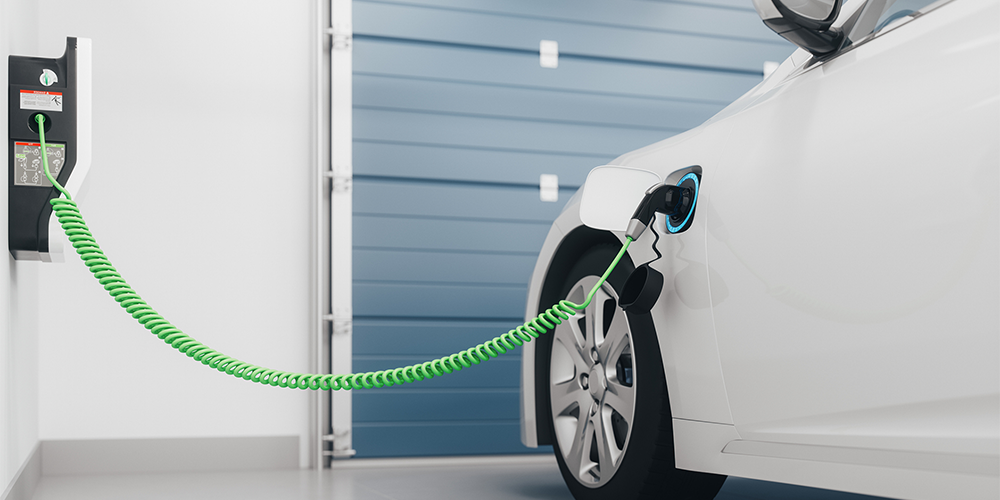
EV Charging in Garage

eve meyer - solar expertAsk the Solar Expert

Eve Meyer, Chief Commercial Officer


 I’m thinking of buying an electric vehicle or a hybrid electric vehicle. How will this affect my electricity use and monthly bills?

Though charging an EV requires additional electricity, with a few smart habits, you can control your energy use and keep your monthly bill from catching you off guard. 

Here’s what to know.

1. Choose the Charging Level That Fits Your Lifestyle

Most homeowners charge using one of two options:

    • Level 1 Charging (standard outlet)
      Plugs into a regular 120-volt outlet. It’s slower – adding only a few miles of range per hour – but it’s good for short-distance local driving or for plug-in hybrid drivers who don’t need a full charge daily.

    • Level 2 Charging (240-volt charger)
      Much faster and ideal for fully electric vehicles. Because it draws more power, the additional electricity use may be more noticeable on your bill, but there are things you can do to help offset the additional cost.

2. Charge at the Right Time — Your Wallet Will Thank You

When you have solar, the right time to charge your EV depends on your system set up, how your utility charges for the energy you pull from the grid and how it values the extra energy your panels produce. Some utilities, for example, charge time of use (TOU) rates which makes drawing electricity from the grid more expensive during high demand times of the day.

If You Have Solar Without a Battery:

  • Charge during sunny hours when possible. Charging midday lets your EV use the solar power your system produces, which can reduce how much electricity you pull from the grid.

  • Understand net metering vs. net billing. If your utility offers net metering (daytime exports credited at your retail rate), it can be cost-effective to export solar power during the day and charge your EV later. If your utility provides net billing (lower, wholesale export credits), it’s usually best to charge your EV while your panels are producing.
     
  • Use smart charging tools thoughtfully. Overnight charging may also be economical, if your solar exports are well compensated and your utility offers time of use (TOU) rates which are based on demand. Peak demand is generally in the late afternoon through mid-evening and early morning hours. Off-peak times are usually late at night and on weekends. Charging during these off-peak hours can make overnight charging cheaper.

    If you have a Level 2 charger and you’re on TOU rates, charging during off-peak hours can help reduce the cost of the additional power it draws from the grid. Leverage “smart charging” features which optimize charging time to help lower your cost. Set your EV or home charger to start charging automatically during off-peak discounted hours. It’s one of the easiest ways to reduce charging costs, and help you wake up to a full battery!


If You Have Solar With a Battery:

    • Use solar during the day or store the solar energy for use later. By charging during the day when your panels are producing or storing the excess solar energy for later use, you’ll use solar energy to charge your EV and reduce your reliance on the grid.
       
    • Balance EV charging with household needs. Large EV charging sessions can draw more power than your battery alone can supply, so timing still matters. The best strategy depends on the size of your battery, solar production, driving habits, and local utility rates.


Note: Please check with your utility to see if you’re on net metering, net billing, or TOU rates, and find out if and how they compensate for the energy you send back to the grid.

3. Maximize Your Solar Savings by Tracking Your System’s Production and Adjusting Your Habits

Go to your MyEverBright dashboard to monitor your system’s production and refer to your utility bill for your household usage so you can see the full picture.1 Most EVs and chargers also allow you to view:

    • How much energy each charging session uses
    • The cost per charge
    • Weekly and monthly charging summaries

Combine this data with your MyEverBright insights to understand where your energy is going and whether you want to adjust your charging habits.

1Contracts signed prior to March 2023 may not include monitoring in MyEverBright. 

The Bottom Line

Charging an EV will increase your electricity use, but how it affects your utility bill depends on when you charge, your utility’s rate structure, and how your solar system is set up – with or without batteries. With thoughtful charging habits and a little planning, you can enjoy the benefits of an EV without a big utility bill.


Have a question? Send your name, email address, and question to solarexpert@goeverbright.com for consideration in an upcoming post. Please do not submit specific account inquiries. For account-specific questions, visit myeverbright.com or call (877) 425-5201. 

Recommended Posts

HOMEOWNERS

Get the most from your solar system in the fall/winter season

Learn three ways to make the most out of your solar system during the shorter days and colder weather of the fall and winter seasons.
Read More
Read time: 3 min

HOMEOWNERS

How to keep your solar panels operating efficiently

A little maintenance goes a long way to helping your solar panels operate efficiently. Learn how a little TLC can help ensure your panels are operating at peak efficiency.
Read More
Read time: 3 min

HOMEOWNERS

Why solar alone doesn’t work during an outage

Your solar panels are soaking up the rays, but the power goes out—and so does your solar system. Let's explore why this happens.
Read More
Read time: 3 min